Category: Exercise and Muscle

  • High-Protein, High-Fiber Meal Planning for GLP-1 Users

    High-Protein, High-Fiber Meal Planning for GLP-1 Users

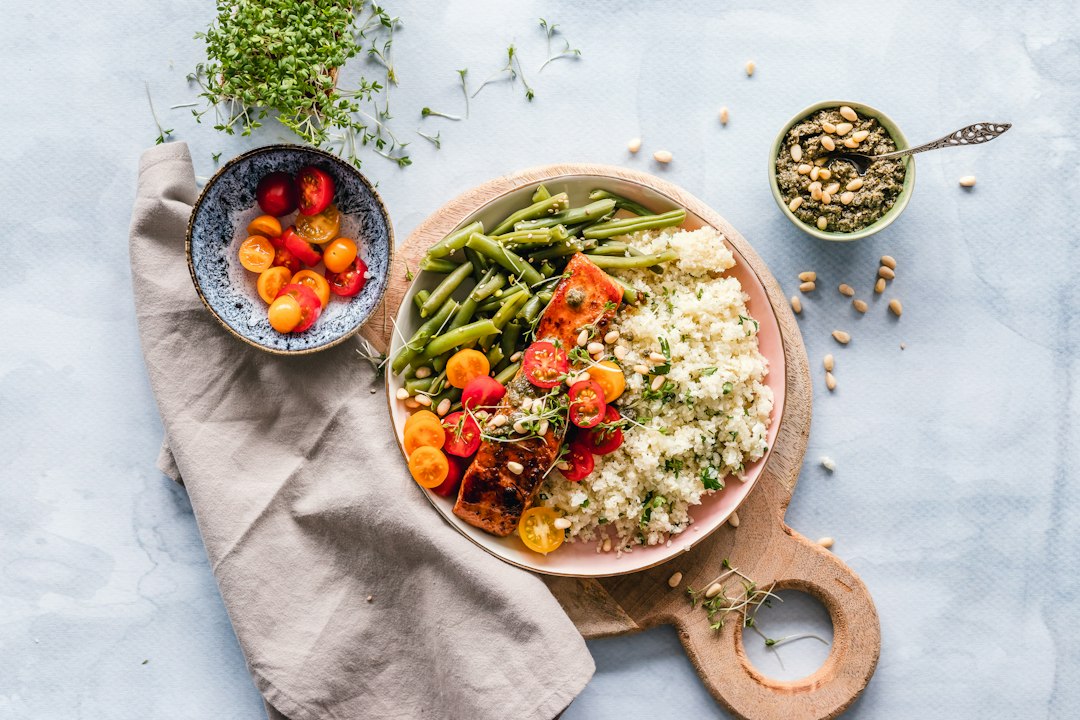
    Photo: Ella Olsson / Unsplash. Illustrative image; no endorsement implied.

    Health Content Works | Evidence reviewed September 2026
    Author and human reviewer: David L. Carpenter, BSN, RN — licensed Registered Nurse; 10 years of nursing practice and 24 years of healthcare experience. Read our editorial and AI-use standards.

    GLP-1 medications can make eating less feel dramatically easier—but eating well can become harder. Early fullness, nausea, food aversions, constipation, and a much smaller appetite can make it surprisingly difficult to get enough protein, fiber, fluids, vitamins, minerals, and total nutrition.

    A practical meal plan for people using semaglutide, tirzepatide, or related medications should therefore focus on nutrient density, protein, fiber, hydration, and tolerability rather than simply trying to eat as little as possible.

    Why protein deserves special attention

    Weight loss from any cause can include loss of lean mass. The goal is not to prevent every change in lean tissue—an unrealistic standard—but to support muscle mass, strength, function, and recovery while body weight decreases.

    A 2025 multisociety clinical advisory on nutrition during GLP-1 therapy suggests approximately 1.2–1.6 grams of protein per kilogram per day during active weight loss. This range is based on expert guidance and broader weight-loss evidence rather than a dedicated trial proving one ideal protein dose for GLP-1 users.

    The calculation also matters. In people with obesity, multiplying a high current body weight by a high protein factor can produce an unnecessarily large target. Clinicians and dietitians may instead use ideal body weight, adjusted body weight, fat-free mass, or a practical absolute target.

    For a detailed discussion of the evidence and kidney considerations, see How Much Protein Do You Need on Wegovy, Zepbound, or Other GLP-1 Medications?.

    Why fiber matters—but more is not always better

    Fiber supports bowel regularity, diet quality, and cardiometabolic health. Some types of fiber can also increase fullness. But GLP-1 medications already slow gastrointestinal function in ways that can make large or sudden increases in fiber uncomfortable.

    For many adults, standard dietary guidance lands in the general range of roughly 20–30+ grams of fiber per day, depending on age, sex, and energy needs. Food labels use a Daily Value of 28 grams as a general reference, but that number is not a personalized prescription.

    If your current intake is low, increase fiber gradually. A sudden jump from very little fiber to large amounts of bran, raw vegetables, or fiber supplements may worsen bloating, cramping, or constipation—especially if fluid intake is inadequate.

    A 2022 systematic review of randomized trials found that fiber supplementation can improve chronic constipation, with psyllium among the better-supported options. Flatulence was also more common with fiber, which reinforces the value of gradual increases and individual tolerance.

    The simplest meal-planning rule

    At most meals, try to combine:

    • A meaningful protein source such as eggs, Greek yogurt, cottage cheese, fish, poultry, lean meat, tofu, tempeh, beans, lentils, or an appropriate protein supplement.
    • A fiber-rich plant food such as vegetables, berries, beans, lentils, oats, barley, chia, flax, whole grains, or fruit.
    • Enough fluid across the day to support hydration and bowel function.
    • A portion size you can actually tolerate without pushing through severe fullness or nausea.

    This structure is usually more useful than trying to force every meal to hit a rigid calorie or macronutrient number.

    Protein-first does not mean protein-only

    When appetite is very small, it can make sense to eat the protein portion first so the most important nutrient is not crowded out. But an all-protein eating pattern can leave fiber, potassium, magnesium, folate, vitamin C, and other nutrients behind.

    Think of “protein first” as a priority system—not permission to eliminate plants and whole-food carbohydrates.

    A practical one-day meal framework

    Breakfast

    Option 1: Greek yogurt with berries, chia seeds, and a small amount of oats.

    Option 2: Eggs with sautéed vegetables and a slice of high-fiber whole-grain toast.

    Option 3: Cottage cheese with fruit and a small portion of nuts or seeds.

    If nausea is worse in the morning, a smaller meal may be easier than a large breakfast. The goal is to get useful nutrition in without overwhelming the stomach.

    Lunch

    Option 1: Grilled chicken or tofu over a small salad with beans, vegetables, and a tolerable amount of dressing.

    Option 2: Lentil or bean soup with added chicken, turkey, tofu, or Greek yogurt on the side.

    Option 3: Tuna, salmon, or chickpea salad in a whole-grain wrap with vegetables.

    Dinner

    Option 1: Fish, chicken, lean meat, or tofu with a cooked vegetable and a small serving of beans, brown rice, quinoa, or potato.

    Option 2: A bean-and-lean-protein chili with vegetables.

    Option 3: Stir-fry with lean protein or tofu, cooked vegetables, and a modest portion of rice or whole grain.

    Small snacks when intake is low

    • Greek yogurt or cottage cheese
    • A hard-boiled egg with fruit
    • Edamame
    • A small protein shake if whole food is difficult to tolerate
    • Hummus with soft vegetables or whole-grain crackers
    • Fruit with nut butter
    • Roasted chickpeas if tolerated

    What if you get full after only a few bites?

    This is one of the most important practical problems during GLP-1 treatment. When meal volume becomes very small, nutrient density matters more.

    1. Reduce meal size. Smaller meals or mini-meals may be easier than three large meals.
    2. Prioritize protein early. Do not save the protein portion for last if you routinely become full first.
    3. Choose cooked foods when raw foods feel too bulky. Cooked vegetables, soups, soft fruit, and tender proteins may be easier to tolerate.
    4. Use liquid nutrition selectively. A protein shake or fortified smoothie can be useful when chewing a full meal is difficult, but liquids should not automatically replace all whole foods.
    5. Tell the prescriber if intake becomes persistently inadequate. Severe or prolonged inability to eat or drink is a treatment issue, not a willpower achievement.

    Constipation: fiber is only part of the answer

    Constipation is common during GLP-1 treatment. Increasing fiber without enough fluid can sometimes make symptoms worse. Movement, hydration, medication review, and the type of fiber all matter.

    Useful steps can include gradually increasing food-based fiber, maintaining adequate fluid intake, staying physically active as tolerated, and discussing persistent symptoms with the prescribing clinician. Fiber supplements such as psyllium may help some people, but they should be introduced carefully and with adequate fluid.

    Severe abdominal pain, persistent vomiting, inability to pass stool or gas, or significant dehydration should not be managed simply by adding more fiber. Those symptoms warrant medical evaluation.

    What about nausea?

    There is no single GLP-1 nausea diet that works for everyone, but many people tolerate smaller meals, lower-fat foods, bland or cooler foods, and slower eating better during symptomatic periods.

    Large high-fat meals can be especially difficult because fat slows gastric emptying and may increase fullness. That does not mean dietary fat should be eliminated; it means portion size and timing may matter.

    If nausea or vomiting is persistent enough to prevent hydration or adequate nutrition, contact the prescriber rather than repeatedly trying to “eat through it.”

    Do you need protein shakes?

    No. Protein shakes are tools, not requirements. Whole foods provide protein plus vitamins, minerals, and other nutrients. But shakes can be practical when appetite is low, meals are skipped, or a person cannot comfortably eat enough solid protein.

    Look at the full nutrition label rather than the word “protein” on the front. Some products are very low in calories and micronutrients and may not function as a meaningful meal replacement. Others contain sugar alcohols or additives that may worsen gastrointestinal symptoms in sensitive people.

    Do you need fiber supplements?

    Not necessarily. Beans, lentils, vegetables, berries, whole grains, nuts, and seeds can provide substantial fiber and additional nutrients.

    A supplement may be useful when food intake is too limited or constipation persists, but different fibers behave differently. Psyllium has better evidence for constipation than many highly marketed “prebiotic” powders. Start low, increase gradually, and follow product directions for fluids.

    What about kidney disease?

    People with chronic kidney disease should not automatically adopt a high-protein GLP-1 meal plan. KDIGO guidance recommends approximately 0.8 g/kg/day for many adults with CKD stages G3–G5 and advises avoiding very high protein intake in people at risk of progression.

    Kidney function, dialysis status, nutritional risk, potassium, phosphorus, and other factors can substantially change meal planning. A renal dietitian or clinician should individualize the plan.

    A weekly shopping template

    • Proteins: eggs, Greek yogurt, cottage cheese, chicken, turkey, fish, lean meat, tofu, tempeh, edamame, beans, lentils.
    • Fiber-rich produce: berries, apples, pears, leafy greens, broccoli, carrots, squash, peppers, avocado, or other tolerated fruits and vegetables.
    • Whole grains and starches: oats, barley, quinoa, brown rice, whole-grain bread or wraps, potatoes with skin when tolerated.
    • Seeds and nuts: chia, flax, walnuts, almonds, peanut or other nut butter in portions that fit appetite and GI tolerance.
    • Convenience backups: low-sugar Greek yogurt, canned tuna or salmon, frozen vegetables, low-sodium bean soups, ready-to-drink protein products, or frozen high-protein meals with reasonable fiber.

    A simple prep strategy

    1. Prepare two or three protein options for the week.
    2. Keep at least two easy fiber sources ready to eat.
    3. Use frozen vegetables and canned beans when convenience matters more than cooking from scratch.
    4. Pre-portion smaller meals so the plate does not feel overwhelming.
    5. Keep one easy backup protein option available for days when appetite is especially low.
    6. Adjust food texture and portion size around medication-related symptoms rather than abandoning nutrition goals.

    The bigger picture

    The goal of GLP-1 nutrition is not to maximize restriction. It is to make the smaller amount of food you can comfortably eat work harder nutritionally. Adequate protein, gradual fiber, hydration, resistance training, and micronutrient-rich foods are tools for protecting health while weight changes.

    If you are losing weight rapidly but becoming weak, persistently dehydrated, unable to eat, or unable to maintain normal daily function, that deserves clinical attention even if the number on the scale is moving in the desired direction.

    Bottom line

    A high-protein, high-fiber GLP-1 meal plan should be nutrient-dense, tolerable, and individualized. Prioritize protein, include fiber-rich plant foods, increase fiber gradually, drink enough fluid, and use smaller meals when appetite is limited.

    The best plan is not the one with the highest theoretical protein or fiber number. It is the one that supports muscle, bowel function, hydration, overall nutrition, and long-term adherence without worsening symptoms.

    About the author

    David L. Carpenter, BSN, RN is a licensed Registered Nurse with 10 years of nursing practice and 24 years of healthcare experience. He is the founder and editor of Health Content Works, with a focus on evidence-based education about obesity, GLP-1 medications, nutrition, exercise, metabolic health, and practical healthy living.

    David also brings lived experience with obesity, weight loss, and GLP-1 treatment. His personal experience helps shape the practical questions explored by Health Content Works, while medical conclusions are grounded in research, clinical guidance, and authoritative sources.

    Read David’s full author bio and credentials.

    References

    1. Mozaffarian D, et al. Nutritional priorities to support GLP-1 therapy for obesity: a joint Advisory from the American College of Lifestyle Medicine, the American Society for Nutrition, the Obesity Medicine Association, and The Obesity Society. Am J Clin Nutr. 2025;122(1):344-367. PMID: 40450457. DOI: 10.1016/j.ajcnut.2025.04.023.

    2. Mozaffarian D, et al. Corrigendum to the 2025 joint GLP-1 nutrition advisory. 2026. PMID: 42255463.

    3. Ueshima J, et al. Enhanced protein intake on maintaining muscle mass, strength, and physical function in adults with overweight/obesity: a systematic review and meta-analysis. 2024. PMID: 39002131.

    4. van der Schoot A, et al. The Effect of Fiber Supplementation on Chronic Constipation in Adults: An Updated Systematic Review and Meta-Analysis of Randomized Controlled Trials. Am J Clin Nutr. 2022;116(4):953-969. PMID: 35816465.

    5. NIH Office of Dietary Supplements and USDA National Agricultural Library. Dietary Reference Intake and Daily Value resources for dietary fiber. Accessed September 2026.

    6. KDIGO 2024 Clinical Practice Guideline for the Evaluation and Management of Chronic Kidney Disease. PMID: 38490803.

    This article is for general education and is not individualized medical advice. Nutrition needs vary with age, body size, medications, kidney function, medical conditions, and treatment goals.
  • How Much Protein Do You Need on Wegovy, Zepbound, or Other GLP-1 Medications?

    How Much Protein Do You Need on Wegovy, Zepbound, or Other GLP-1 Medications?

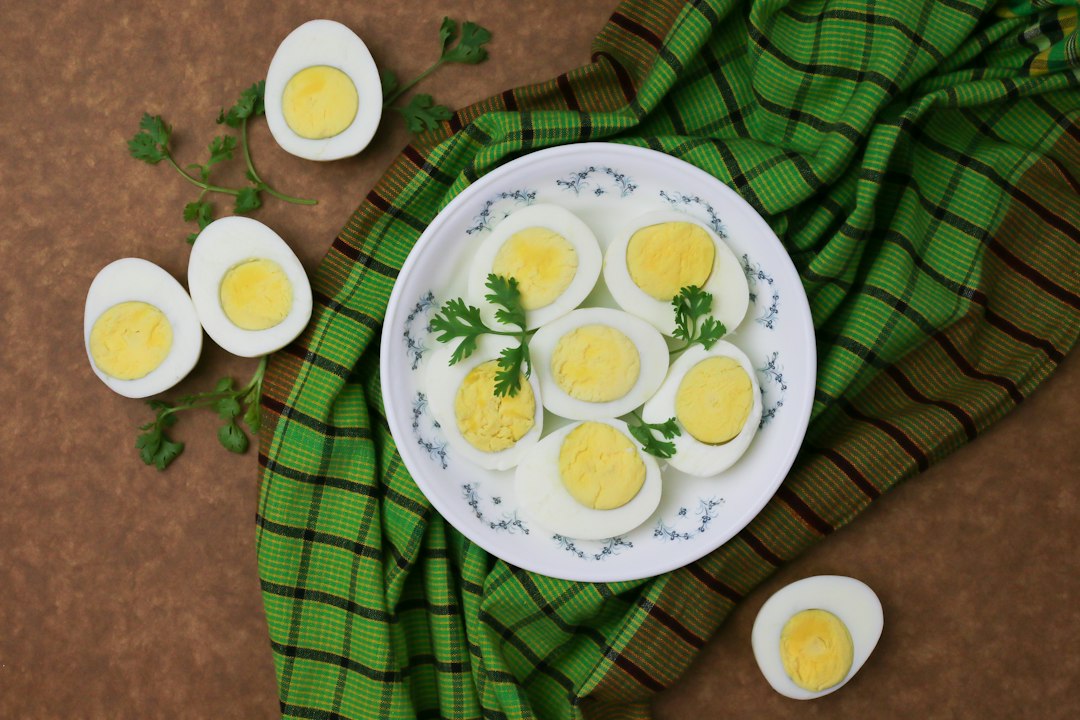
    Photo: Tamanna Rumee / Unsplash. Illustrative image; no endorsement implied.

    Health Content Works | Evidence reviewed September 2026
    Author and human reviewer: David L. Carpenter, BSN, RN — licensed Registered Nurse; 10 years of nursing practice and 24 years of healthcare experience. Read our editorial and AI-use standards.

    Semaglutide (Wegovy) and tirzepatide (Zepbound) can produce substantial weight loss. That raises an important question:

    How much protein should you eat to help preserve muscle while losing weight?

    The 2025 multisociety clinical advisory on nutrition during GLP-1 treatment suggests approximately 1.2–1.6 grams of protein per kilogram per day during active weight loss. However, this range is not established by a dedicated GLP-1 protein-dose trial. It is supported mainly by expert guidance and indirect evidence from broader obesity, calorie-restriction, aging, and resistance-training research.

    This range is a practical discussion point—not an individualized prescription.

    Your needs may also vary with age, body composition, physical activity, appetite, medical conditions, and how much food you can tolerate.

    Protein is only one part of a muscle-preservation strategy. Higher protein intake has evidence for helping preserve muscle mass, but it has not clearly been shown to preserve strength or physical function by itself. Resistance training provides an important additional stimulus.

    First, what does “muscle loss” mean?

    Many articles use “muscle loss” when the study actually measured lean mass or fat-free mass.

    These terms are not interchangeable.

    • Lean mass generally means body tissue that is not fat, excluding bone mineral. It includes skeletal muscle, but also water, organs, connective tissue, and other structures.
    • Fat-free mass is another broad category that includes essentially everything except fat.
    • Skeletal muscle mass refers more specifically to muscles involved in movement.
    • Strength and physical function measure what the body can do.

    A decrease in DXA-measured lean mass does not prove that the same amount of skeletal muscle disappeared. Conversely, a favorable lean-mass percentage does not guarantee that strength and function were preserved.

    This distinction matters because the most commonly cited GLP-1 studies used body-composition methods such as dual-energy X-ray absorptiometry (DXA), not comprehensive assessments of muscle strength, mobility, or performance.

    What do semaglutide and tirzepatide studies show?

    Semaglutide: exploratory STEP 1 DXA analysis

    A body-composition analysis from the STEP 1 semaglutide trial included 140 adults with overweight or obesity who did not have diabetes. Participants received semaglutide 2.4 mg or placebo for 68 weeks, alongside lifestyle counseling.

    Among participants receiving semaglutide:

    • Body weight decreased by approximately 15%;
    • Fat mass decreased by approximately 19%;
    • DXA-measured lean body mass decreased by approximately 9.7%.

    The proportion of lean mass relative to total body weight increased because fat mass declined more substantially.

    However, this evidence should be interpreted carefully. The analysis was:

    • Exploratory;
    • Based on a relatively small selected subgroup;
    • Published in a journal supplement/abstract format rather than as a full primary body-composition article;
    • Not designed to determine how much of the lean-mass change represented skeletal muscle;
    • Not designed to assess strength or physical function.

    This is not evidence that semaglutide selectively destroys muscle. It shows that substantial weight loss included reductions in both fat mass and lean body mass. It should not be treated as a precise prediction for every person taking Wegovy.

    Confidence in the exact semaglutide lean-mass estimate: low to moderate. Confidence that substantial weight loss can include some lean-mass loss is higher because it is consistent with broader weight-loss research.

    Tirzepatide: SURMOUNT-1 DXA substudy

    A body-composition substudy from SURMOUNT-1 included 160 adults with overweight or obesity who had baseline and week-72 DXA measurements.

    Among participants receiving tirzepatide:

    • Body weight decreased by approximately 21.3%;
    • Fat mass decreased by approximately 33.9%;
    • Lean mass decreased by approximately 10.9%;
    • Approximately 74% of weight lost was fat mass and 26% was lean mass.

    The placebo group also lost some lean mass. This suggests that lean-mass loss is a common feature of weight reduction, not necessarily a unique toxic effect of tirzepatide.

    The study did not include a structured resistance-training program, and it did not prove that the measured lean mass represented skeletal muscle alone.

    The substudy also included only a small fraction of the parent trial and was sponsored by Eli Lilly, with reported author relationships. These factors do not invalidate the results, but they are relevant when interpreting the evidence.

    Confidence: Moderate for the general body-composition pattern; lower for the exact amount of skeletal-muscle loss.

    What can we reasonably conclude?

    The direct medication evidence supports these statements:

    • Large amounts of weight loss from semaglutide and tirzepatide generally include some lean-mass loss.
    • Most of the weight lost is fat mass.
    • A percentage of lean-mass loss does not equal the same percentage of muscle loss.
    • The available studies do not establish a universal risk of clinically important weakness.
    • The trials do not tell us the ideal protein intake for preserving muscle during treatment.

    That last point is crucial. The popular advice to consume a particular amount—such as 1.6 grams per kilogram—does not come from a definitive semaglutide or tirzepatide protein trial.

    What protein range is supported?

    The 2025 joint advisory from the American College of Lifestyle Medicine, American Society for Nutrition, Obesity Medicine Association, and The Obesity Society suggests approximately:

    1.2–1.6 grams of protein per kilogram per day during active weight loss

    This recommendation is based on expert interpretation of the broader nutrition literature, not a dedicated trial comparing protein doses in people taking semaglutide or tirzepatide.

    The advisory also suggests that approximately 1.5 grams per kilogram of fat-free mass per day may be useful when reliable body-composition data are available. When those data are unavailable, it presents an approximate practical range of 80–120 grams per day.

    The advisory received a 2026 corrigendum. The correction concerned the characterization of one diet-counseling study; it did not alter the advisory’s overall conclusions or its protein recommendations.

    A separate 2024 systematic review and meta-analysis of 47 randomized trials in adults with overweight or obesity found that higher protein intake was associated with better preservation of muscle mass during weight loss. Intake above approximately 1.3 grams per kilogram per day was associated with more favorable muscle outcomes. However, higher protein did not clearly preserve strength or physical function.

    This evidence is relevant but indirect: the studies were not specifically semaglutide or tirzepatide trials.

    The evidence therefore supports a reasonable range, but not a magic number or GLP-1-specific prescription.

    How to interpret common targets

    1.0 grams per kilogram per day

    This may be a reasonable minimum for some adults, but it may not be enough during active weight loss for older adults, people with low muscle mass, or those at risk of frailty.

    1.2 grams per kilogram per day

    This is the lower end of the GLP-1 nutrition advisory range and is consistent with recommendations for many healthy older adults. It may be a reasonable discussion point for some people.

    1.3 grams per kilogram per day

    This threshold appeared in a broader obesity protein meta-analysis as being associated with better muscle-mass outcomes. It should not be interpreted as a biological cutoff that applies to everyone.

    1.5 grams per kilogram per day

    This is a pragmatic target within the GLP-1 advisory range. The calculation method matters, and it has not been specifically validated as a universal target for people taking semaglutide or tirzepatide.

    1.6 grams per kilogram per day

    This is the upper end of the advisory range. It is not proven to be superior for every person taking Wegovy or Zepbound, and it may be inappropriate for people with certain medical conditions—particularly chronic kidney disease.

    Why current body weight can be misleading

    Protein targets are often calculated by multiplying body weight by a number of grams per kilogram. That approach becomes complicated in people with obesity.

    For example, multiplying a current body weight of 140 kilograms by 1.6 grams would produce a target of 224 grams of protein per day. That may be unnecessarily high and difficult to achieve, particularly when medication-related appetite suppression or nausea is present.

    Adipose tissue does not have the same protein requirement as metabolically active lean tissue. For this reason, clinicians and dietitians may use:

    • Ideal body weight;
    • Adjusted body weight;
    • Fat-free mass;
    • Another individualized reference weight;
    • Or a practical absolute range.

    There is no universally accepted formula for choosing among these methods. The 2025 GLP-1 nutrition advisory specifically notes this uncertainty.

    The important point is that people should not automatically multiply a high current body weight by 1.6 and assume the resulting number is medically necessary.

    Higher protein is not a complete muscle-preservation strategy

    Higher protein intake has evidence for helping preserve muscle mass during weight loss. However, it has not clearly been shown to preserve strength or physical function by itself.

    Muscles also need a reason to retain and use protein. Resistance training supplies that stimulus.

    A 2025 systematic review and meta-analysis examined 25 randomized trials in adults with overweight or obesity undergoing dietary weight loss. Compared with diet-only approaches, adding resistance exercise:

    • Reduced loss of fat-free mass;
    • Increased fat loss;
    • Improved muscle strength, although the strength evidence was less certain.

    These trials were not specifically conducted in people using semaglutide or tirzepatide. However, they directly address the broader problem of preserving lean tissue during calorie-restricted weight loss.

    A practical public-health message is therefore:

    Pair adequate protein with progressive resistance training rather than treating protein as a complete substitute for exercise.

    Resistance training might involve weights, machines, resistance bands, or appropriately challenging body-weight exercises. The safest program depends on starting fitness, joint and heart conditions, balance, age, and previous training experience.

    People who are frail, have significant mobility limitations, or have complex medical conditions may benefit from professional exercise guidance.

    Does protein distribution matter?

    Older-adult nutrition guidance often recommends spreading protein across meals rather than consuming almost all of it at dinner. The PROT-AGE position paper suggests approximately 25–30 grams of high-quality protein per meal for many healthy older adults, along with a daily total of approximately 1.0–1.2 grams per kilogram.

    This recommendation is practical, but the evidence for a precise per-meal threshold is less robust than the evidence supporting adequate total daily protein. Studies of protein distribution have not consistently shown that one exact meal pattern improves long-term strength or physical function.

    A reasonable approach is to include a meaningful protein source at each meal and avoid allowing appetite suppression to reduce the entire day’s intake to a very small amount.

    Examples include foods such as:

    • Fish, poultry, eggs, or lean meat;
    • Greek yogurt or cottage cheese;
    • Tofu, tempeh, beans, or lentils;
    • Milk or fortified alternatives;
    • Protein-enriched foods when appropriate.

    Protein powders may be convenient, but they are not inherently superior to food. They should not be used to justify extreme intake or replace a varied diet.

    What about older adults?

    Older adults may require more attention to protein and resistance training because aging is associated with gradual declines in muscle mass, strength, and recovery capacity.

    The PROT-AGE group recommends approximately 1.0–1.2 grams per kilogram per day for healthy adults over 65, with higher intake sometimes considered during illness, recovery, or frailty.

    That does not mean every older adult using a GLP-1 medication should automatically consume 1.6 grams per kilogram. It means age, strength, function, appetite, and medical status should be considered rather than focusing only on scale weight.

    For older adults, preserving:

    • Strength;
    • Balance;
    • Walking ability;
    • Independence;
    • And resistance-training capacity

    may be more clinically meaningful than maximizing a DXA lean-mass number.

    Kidney disease requires individualized guidance

    People with chronic kidney disease should not independently adopt a high-protein target.

    KDIGO’s 2024 chronic kidney disease guideline recommends approximately 0.8 grams per kilogram per day for adults with CKD stages G3–G5 and advises avoiding protein intake above 1.3 grams per kilogram per day in adults with CKD who are at risk of progression.

    These recommendations may vary with dialysis status, nutritional risk, age, frailty, and other clinical factors. Kidney disease is therefore a reason to discuss protein intake with a clinician or renal dietitian before increasing it.

    Other situations requiring individualized advice include:

    • Advanced liver disease;
    • Pregnancy;
    • Frailty or significant unintended weight loss;
    • Eating disorders;
    • Severe nausea, vomiting, or dehydration;
    • Difficulty meeting calorie and micronutrient needs;
    • Major gastrointestinal or swallowing problems.

    Common misinformation

    “GLP-1 drugs melt muscle.”

    Misleading. These medications produce predominantly fat loss, but lean-mass loss also occurs. Current studies do not prove selective muscle destruction.

    “Every pound of lean mass is muscle.”

    False. Lean mass includes water, organs, connective tissue, and other non-fat tissue.

    “Protein prevents muscle loss.”

    Overstated. Higher protein intake may help preserve muscle mass, but it is not a guarantee and is not a complete muscle-preservation strategy. Resistance training and adequate overall nutrition also matter.

    “Everyone on Wegovy or Zepbound needs 1.6 grams per kilogram of current body weight.”

    Unsupported and potentially misleading. The calculation may overestimate needs in people with obesity, and the target has not been proven specifically for all GLP-1 users.

    “A protein shake is enough.”

    Misleading. A shake may help meet intake, but it cannot replace resistance training, adequate calories, hydration, micronutrients, or medical evaluation when problems arise.

    “If lean mass falls, the medication is unsafe.”

    Overstated. Some lean-mass reduction is common with weight loss from many causes. The clinical importance depends on muscle strength, function, age, health status, and the degree of loss.

    A practical evidence-based framework

    For general education—not individualized medical treatment—the evidence supports five principles:

    1. Think in ranges, not magic numbers. Approximately 1.2–1.6 grams per kilogram per day is a range suggested by the 2025 multisociety advisory, supported mainly by expert guidance and indirect evidence.

    2. Use an appropriate reference weight. Current body weight may overestimate protein needs in obesity.

    3. Pair protein with resistance training. Protein is helpful but is not a complete muscle-preservation strategy.

    4. Distribute intake across meals. This may be especially useful for older adults, although exact meal targets are not definitively established.

    5. Account for medical conditions. People with chronic kidney disease should not use the 1.2–1.6 range without individualized clinical guidance.

    Evidence summary

    The direct semaglutide and tirzepatide evidence shows measurable lean-mass loss during substantial weight reduction, but it does not establish how much skeletal muscle was lost or identify an optimal protein prescription.

    Broader obesity research supports higher protein intake for preserving muscle mass and resistance exercise for preserving fat-free mass and strength. A 2025 expert advisory suggests 1.2–1.6 grams per kilogram per day during active GLP-1-associated weight loss, preferably using fat-free, ideal, or adjusted weight rather than actual body weight in people with obesity. Its 2026 corrigendum did not alter those recommendations.

    The strongest defensible conclusion is:

    Adequate individualized protein plus progressive resistance training is a sensible strategy for protecting muscle during GLP-1-associated weight loss, but no protein amount has been proven to prevent muscle loss for everyone.

    Free GLP-1 Muscle Preservation Checklist

    Use the companion checklist to organize questions about protein, resistance training, appetite, strength, and when individualized guidance may be important.

    About the author

    David L. Carpenter, BSN, RN is a licensed Registered Nurse with 10 years of nursing practice and 24 years of healthcare experience. He is the founder and editor of Health Content Works, with a focus on evidence-based education about obesity, GLP-1 medications, nutrition, exercise, metabolic health, and practical healthy living.

    David also brings lived experience with obesity, weight loss, and GLP-1 treatment. His personal experience helps shape the practical questions explored by Health Content Works, while medical conclusions are grounded in research, clinical guidance, and authoritative sources.

    Read David’s full author bio and credentials.

    References

    1. Mozaffarian D, et al. “Nutritional priorities to support GLP-1 therapy for obesity.” American Journal of Clinical Nutrition. 2025. PMID: 40450457. DOI: 10.1016/j.ajcnut.2025.04.023.

    https://pmc.ncbi.nlm.nih.gov/articles/PMC12612741/

    2. 2026 corrigendum to: Mozaffarian D, et al. “Nutritional priorities to support GLP-1 therapy for obesity.” The correction concerned characterization of one diet-counseling study and did not alter the advisory’s overall conclusions or protein recommendations.

    3. “Impact of Semaglutide on Body Composition in Adults With Overweight or Obesity.” Journal of the Endocrine Society supplement/abstract. 2021. DOI: 10.1210/jendso/bvab048.030.

    https://pmc.ncbi.nlm.nih.gov/articles/PMC8089287/

    4. Look M, et al. “Body composition changes during weight reduction with tirzepatide in SURMOUNT-1.” Diabetes, Obesity and Metabolism. 2025. PMID: 39996356. DOI: 10.1111/dom.16275.

    https://pmc.ncbi.nlm.nih.gov/articles/PMC11965027/

    5. “Effect of GLP-1 receptor agonists and co-agonists on body composition: systematic review and network meta-analysis.” Metabolism. 2025. PMID: 39719170. DOI: 10.1016/j.metabol.2024.156113.

    6. “Enhanced protein intake on maintaining muscle mass, strength, and physical function in adults with overweight/obesity.” 2024. PMID: 39002131. DOI: 10.1016/j.clnesp.2024.06.030.

    7. Binmahfoz A, et al. “Effect of resistance exercise on body composition, muscle strength and cardiometabolic health during dietary weight loss.” BMJ Open Sport & Exercise Medicine. 2025. PMID: 40909191. DOI: 10.1136/bmjsem-2024-002363.

    8. Bauer J, et al. “Evidence-Based Recommendations for Optimal Dietary Protein Intake in Older People.” JAMDA. 2013. DOI: 10.1016/j.jamda.2013.05.021.

    9. KDIGO 2024 Clinical Practice Guideline for the Evaluation and Management of Chronic Kidney Disease. PMID: 38490803. DOI: 10.1016/j.kint.2023.10.018.