Photo: Ella Olsson / Unsplash. Illustrative image; no endorsement implied.
Health Content Works | Evidence reviewed September 2026
Author and human reviewer: David L. Carpenter, BSN, RN — licensed Registered Nurse; 10 years of nursing practice and 24 years of healthcare experience. Read our editorial and AI-use standards.
GLP-1 medications can make eating less feel dramatically easier—but eating well can become harder. Early fullness, nausea, food aversions, constipation, and a much smaller appetite can make it surprisingly difficult to get enough protein, fiber, fluids, vitamins, minerals, and total nutrition.
A practical meal plan for people using semaglutide, tirzepatide, or related medications should therefore focus on nutrient density, protein, fiber, hydration, and tolerability rather than simply trying to eat as little as possible.
Why protein deserves special attention
Weight loss from any cause can include loss of lean mass. The goal is not to prevent every change in lean tissue—an unrealistic standard—but to support muscle mass, strength, function, and recovery while body weight decreases.
A 2025 multisociety clinical advisory on nutrition during GLP-1 therapy suggests approximately 1.2–1.6 grams of protein per kilogram per day during active weight loss. This range is based on expert guidance and broader weight-loss evidence rather than a dedicated trial proving one ideal protein dose for GLP-1 users.
The calculation also matters. In people with obesity, multiplying a high current body weight by a high protein factor can produce an unnecessarily large target. Clinicians and dietitians may instead use ideal body weight, adjusted body weight, fat-free mass, or a practical absolute target.
For a detailed discussion of the evidence and kidney considerations, see How Much Protein Do You Need on Wegovy, Zepbound, or Other GLP-1 Medications?.
Why fiber matters—but more is not always better
Fiber supports bowel regularity, diet quality, and cardiometabolic health. Some types of fiber can also increase fullness. But GLP-1 medications already slow gastrointestinal function in ways that can make large or sudden increases in fiber uncomfortable.
For many adults, standard dietary guidance lands in the general range of roughly 20–30+ grams of fiber per day, depending on age, sex, and energy needs. Food labels use a Daily Value of 28 grams as a general reference, but that number is not a personalized prescription.
If your current intake is low, increase fiber gradually. A sudden jump from very little fiber to large amounts of bran, raw vegetables, or fiber supplements may worsen bloating, cramping, or constipation—especially if fluid intake is inadequate.
A 2022 systematic review of randomized trials found that fiber supplementation can improve chronic constipation, with psyllium among the better-supported options. Flatulence was also more common with fiber, which reinforces the value of gradual increases and individual tolerance.
The simplest meal-planning rule
At most meals, try to combine:
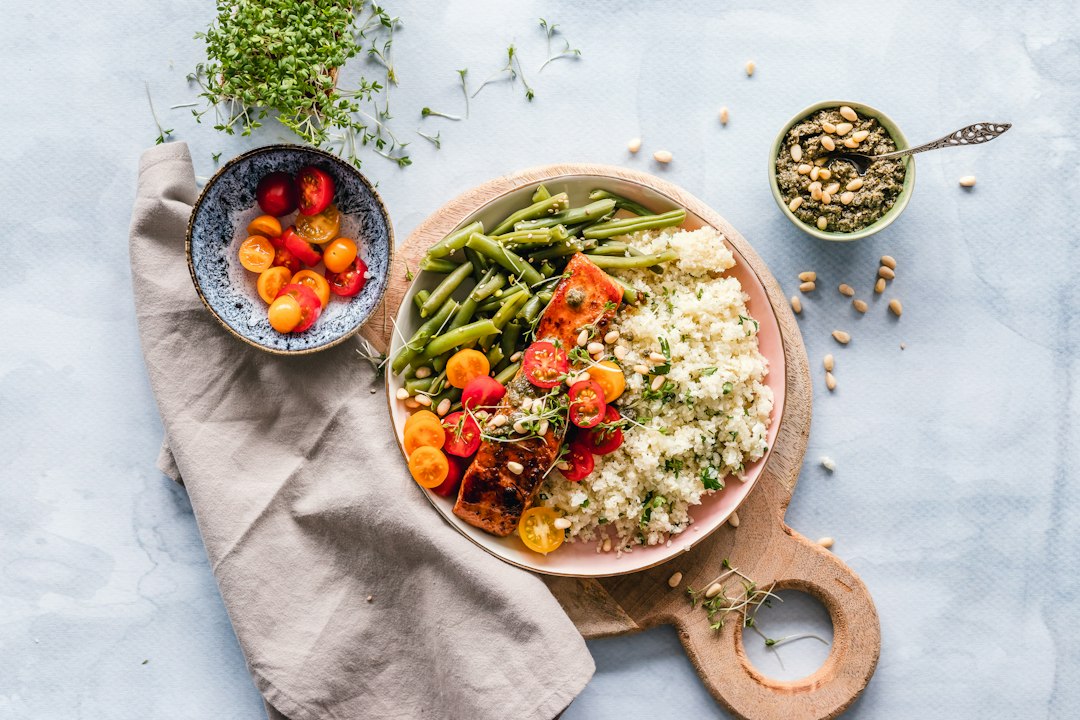
- A meaningful protein source such as eggs, Greek yogurt, cottage cheese, fish, poultry, lean meat, tofu, tempeh, beans, lentils, or an appropriate protein supplement.
- A fiber-rich plant food such as vegetables, berries, beans, lentils, oats, barley, chia, flax, whole grains, or fruit.
- Enough fluid across the day to support hydration and bowel function.
- A portion size you can actually tolerate without pushing through severe fullness or nausea.
This structure is usually more useful than trying to force every meal to hit a rigid calorie or macronutrient number.
Protein-first does not mean protein-only
When appetite is very small, it can make sense to eat the protein portion first so the most important nutrient is not crowded out. But an all-protein eating pattern can leave fiber, potassium, magnesium, folate, vitamin C, and other nutrients behind.
Think of “protein first” as a priority system—not permission to eliminate plants and whole-food carbohydrates.
A practical one-day meal framework
Breakfast
Option 1: Greek yogurt with berries, chia seeds, and a small amount of oats.
Option 2: Eggs with sautéed vegetables and a slice of high-fiber whole-grain toast.
Option 3: Cottage cheese with fruit and a small portion of nuts or seeds.
If nausea is worse in the morning, a smaller meal may be easier than a large breakfast. The goal is to get useful nutrition in without overwhelming the stomach.
Lunch
Option 1: Grilled chicken or tofu over a small salad with beans, vegetables, and a tolerable amount of dressing.
Option 2: Lentil or bean soup with added chicken, turkey, tofu, or Greek yogurt on the side.
Option 3: Tuna, salmon, or chickpea salad in a whole-grain wrap with vegetables.
Dinner
Option 1: Fish, chicken, lean meat, or tofu with a cooked vegetable and a small serving of beans, brown rice, quinoa, or potato.
Option 2: A bean-and-lean-protein chili with vegetables.
Option 3: Stir-fry with lean protein or tofu, cooked vegetables, and a modest portion of rice or whole grain.
Small snacks when intake is low
- Greek yogurt or cottage cheese
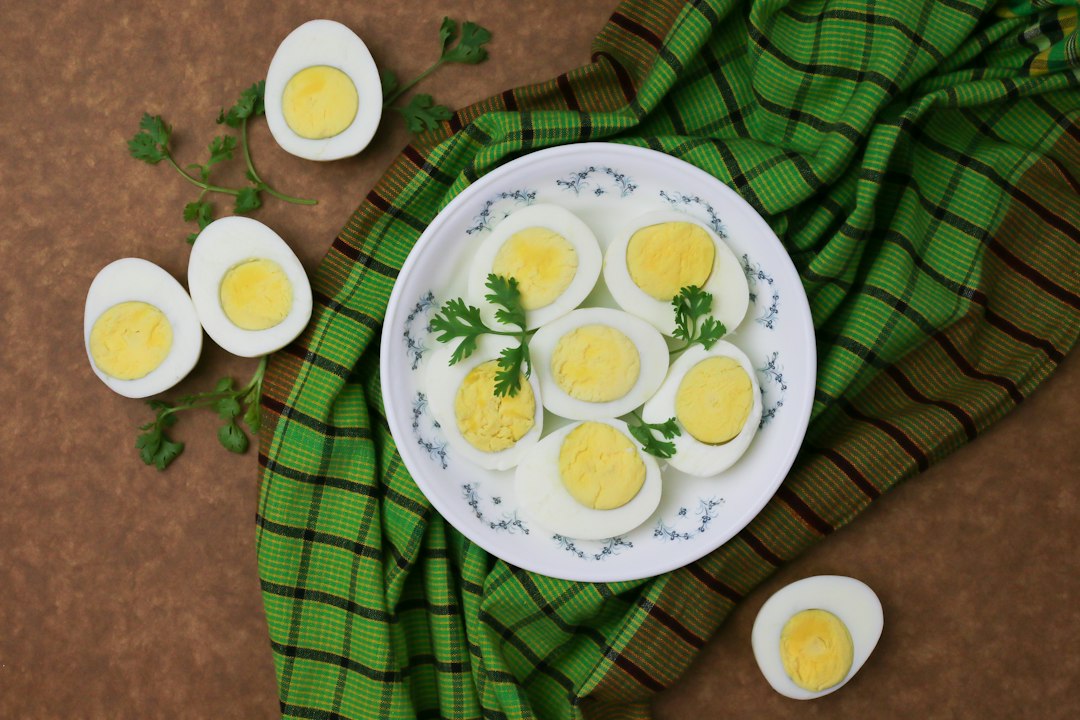
- A hard-boiled egg with fruit
- Edamame
- A small protein shake if whole food is difficult to tolerate
- Hummus with soft vegetables or whole-grain crackers
- Fruit with nut butter
- Roasted chickpeas if tolerated
What if you get full after only a few bites?
This is one of the most important practical problems during GLP-1 treatment. When meal volume becomes very small, nutrient density matters more.
- Reduce meal size. Smaller meals or mini-meals may be easier than three large meals.
- Prioritize protein early. Do not save the protein portion for last if you routinely become full first.
- Choose cooked foods when raw foods feel too bulky. Cooked vegetables, soups, soft fruit, and tender proteins may be easier to tolerate.
- Use liquid nutrition selectively. A protein shake or fortified smoothie can be useful when chewing a full meal is difficult, but liquids should not automatically replace all whole foods.
- Tell the prescriber if intake becomes persistently inadequate. Severe or prolonged inability to eat or drink is a treatment issue, not a willpower achievement.
Constipation: fiber is only part of the answer
Constipation is common during GLP-1 treatment. Increasing fiber without enough fluid can sometimes make symptoms worse. Movement, hydration, medication review, and the type of fiber all matter.
Useful steps can include gradually increasing food-based fiber, maintaining adequate fluid intake, staying physically active as tolerated, and discussing persistent symptoms with the prescribing clinician. Fiber supplements such as psyllium may help some people, but they should be introduced carefully and with adequate fluid.
Severe abdominal pain, persistent vomiting, inability to pass stool or gas, or significant dehydration should not be managed simply by adding more fiber. Those symptoms warrant medical evaluation.
What about nausea?
There is no single GLP-1 nausea diet that works for everyone, but many people tolerate smaller meals, lower-fat foods, bland or cooler foods, and slower eating better during symptomatic periods.
Large high-fat meals can be especially difficult because fat slows gastric emptying and may increase fullness. That does not mean dietary fat should be eliminated; it means portion size and timing may matter.
If nausea or vomiting is persistent enough to prevent hydration or adequate nutrition, contact the prescriber rather than repeatedly trying to “eat through it.”
Do you need protein shakes?
No. Protein shakes are tools, not requirements. Whole foods provide protein plus vitamins, minerals, and other nutrients. But shakes can be practical when appetite is low, meals are skipped, or a person cannot comfortably eat enough solid protein.
Look at the full nutrition label rather than the word “protein” on the front. Some products are very low in calories and micronutrients and may not function as a meaningful meal replacement. Others contain sugar alcohols or additives that may worsen gastrointestinal symptoms in sensitive people.
Do you need fiber supplements?
Not necessarily. Beans, lentils, vegetables, berries, whole grains, nuts, and seeds can provide substantial fiber and additional nutrients.
A supplement may be useful when food intake is too limited or constipation persists, but different fibers behave differently. Psyllium has better evidence for constipation than many highly marketed “prebiotic” powders. Start low, increase gradually, and follow product directions for fluids.
What about kidney disease?
People with chronic kidney disease should not automatically adopt a high-protein GLP-1 meal plan. KDIGO guidance recommends approximately 0.8 g/kg/day for many adults with CKD stages G3–G5 and advises avoiding very high protein intake in people at risk of progression.
Kidney function, dialysis status, nutritional risk, potassium, phosphorus, and other factors can substantially change meal planning. A renal dietitian or clinician should individualize the plan.
A weekly shopping template
- Proteins: eggs, Greek yogurt, cottage cheese, chicken, turkey, fish, lean meat, tofu, tempeh, edamame, beans, lentils.
- Fiber-rich produce: berries, apples, pears, leafy greens, broccoli, carrots, squash, peppers, avocado, or other tolerated fruits and vegetables.
- Whole grains and starches: oats, barley, quinoa, brown rice, whole-grain bread or wraps, potatoes with skin when tolerated.
- Seeds and nuts: chia, flax, walnuts, almonds, peanut or other nut butter in portions that fit appetite and GI tolerance.
- Convenience backups: low-sugar Greek yogurt, canned tuna or salmon, frozen vegetables, low-sodium bean soups, ready-to-drink protein products, or frozen high-protein meals with reasonable fiber.
A simple prep strategy
- Prepare two or three protein options for the week.
- Keep at least two easy fiber sources ready to eat.
- Use frozen vegetables and canned beans when convenience matters more than cooking from scratch.
- Pre-portion smaller meals so the plate does not feel overwhelming.
- Keep one easy backup protein option available for days when appetite is especially low.
- Adjust food texture and portion size around medication-related symptoms rather than abandoning nutrition goals.
The bigger picture
The goal of GLP-1 nutrition is not to maximize restriction. It is to make the smaller amount of food you can comfortably eat work harder nutritionally. Adequate protein, gradual fiber, hydration, resistance training, and micronutrient-rich foods are tools for protecting health while weight changes.
If you are losing weight rapidly but becoming weak, persistently dehydrated, unable to eat, or unable to maintain normal daily function, that deserves clinical attention even if the number on the scale is moving in the desired direction.
Bottom line
A high-protein, high-fiber GLP-1 meal plan should be nutrient-dense, tolerable, and individualized. Prioritize protein, include fiber-rich plant foods, increase fiber gradually, drink enough fluid, and use smaller meals when appetite is limited.
The best plan is not the one with the highest theoretical protein or fiber number. It is the one that supports muscle, bowel function, hydration, overall nutrition, and long-term adherence without worsening symptoms.
About the author
David L. Carpenter, BSN, RN is a licensed Registered Nurse with 10 years of nursing practice and 24 years of healthcare experience. He is the founder and editor of Health Content Works, with a focus on evidence-based education about obesity, GLP-1 medications, nutrition, exercise, metabolic health, and practical healthy living.
David also brings lived experience with obesity, weight loss, and GLP-1 treatment. His personal experience helps shape the practical questions explored by Health Content Works, while medical conclusions are grounded in research, clinical guidance, and authoritative sources.
References
1. Mozaffarian D, et al. Nutritional priorities to support GLP-1 therapy for obesity: a joint Advisory from the American College of Lifestyle Medicine, the American Society for Nutrition, the Obesity Medicine Association, and The Obesity Society. Am J Clin Nutr. 2025;122(1):344-367. PMID: 40450457. DOI: 10.1016/j.ajcnut.2025.04.023.
2. Mozaffarian D, et al. Corrigendum to the 2025 joint GLP-1 nutrition advisory. 2026. PMID: 42255463.
3. Ueshima J, et al. Enhanced protein intake on maintaining muscle mass, strength, and physical function in adults with overweight/obesity: a systematic review and meta-analysis. 2024. PMID: 39002131.
4. van der Schoot A, et al. The Effect of Fiber Supplementation on Chronic Constipation in Adults: An Updated Systematic Review and Meta-Analysis of Randomized Controlled Trials. Am J Clin Nutr. 2022;116(4):953-969. PMID: 35816465.
5. NIH Office of Dietary Supplements and USDA National Agricultural Library. Dietary Reference Intake and Daily Value resources for dietary fiber. Accessed September 2026.
6. KDIGO 2024 Clinical Practice Guideline for the Evaluation and Management of Chronic Kidney Disease. PMID: 38490803.
This article is for general education and is not individualized medical advice. Nutrition needs vary with age, body size, medications, kidney function, medical conditions, and treatment goals.